- About Us
Fact SheetOverseas Offices & RepresentativesAccreditations and AwardsPatient Stories
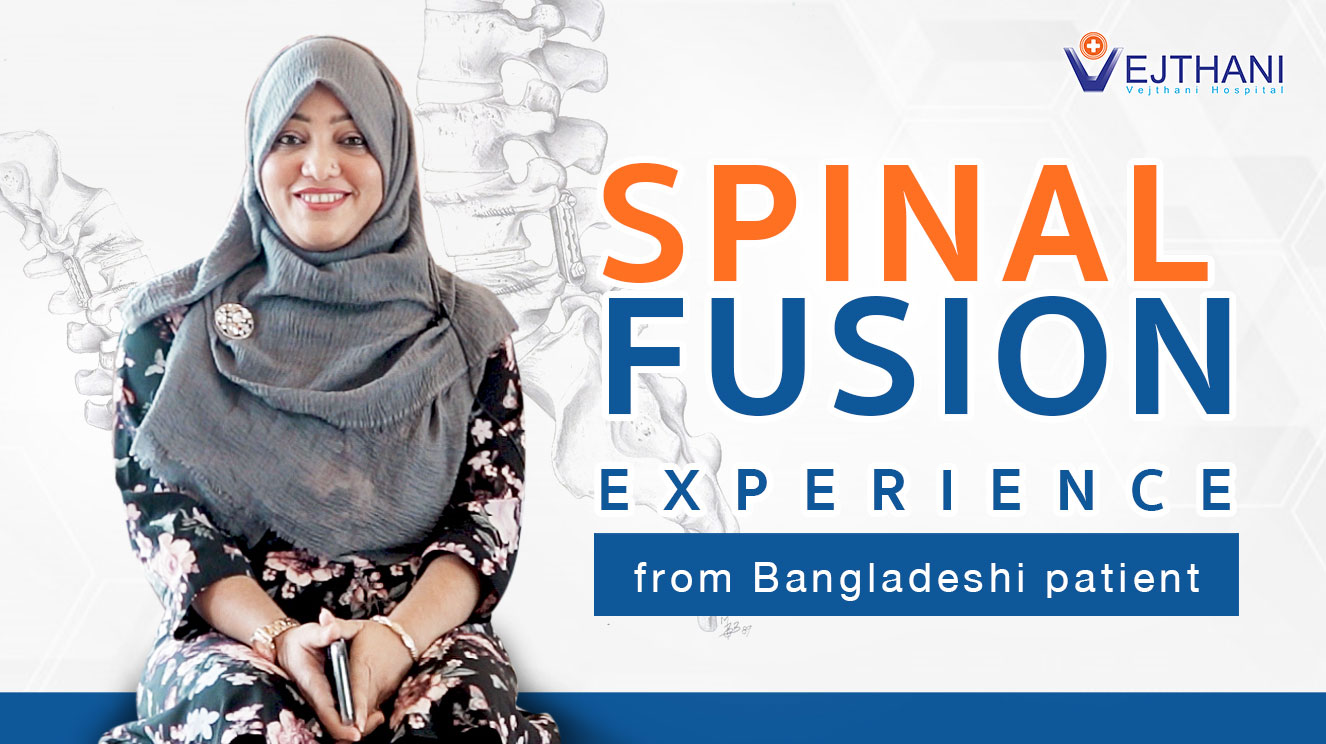
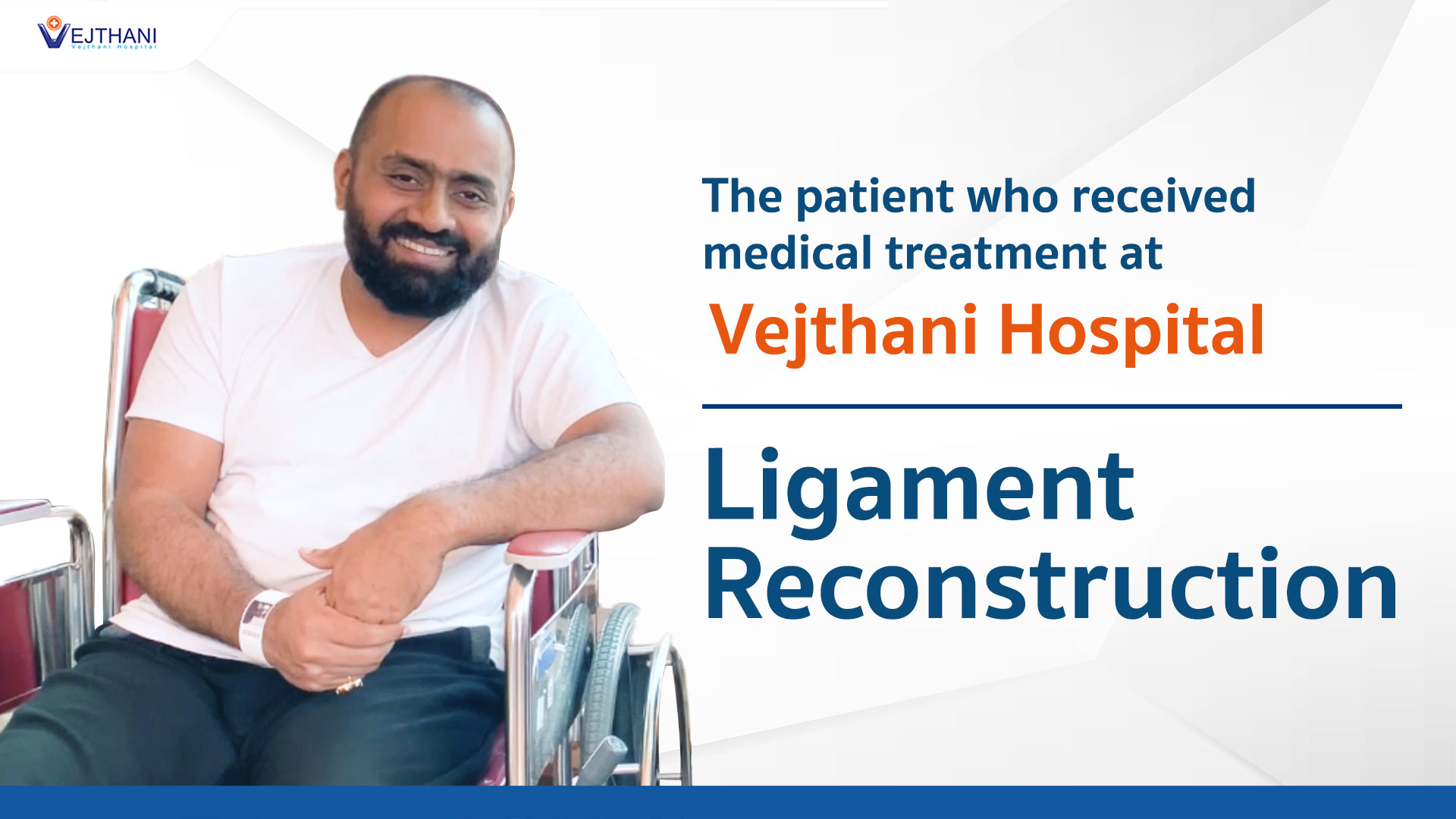
 Spinal fusion experience from Bangladeshi patientMyanmar Actress Patricia’s Intraocular Lens Surgery Experience at Vejthani HospitalLigament ReconstructionA comprehensive kid’s checkup at Vejthani Hospital’s Super Kid’s Center
 - Patient Services
- Medical Departments & Centers
- Packages & Programs
- Health Information
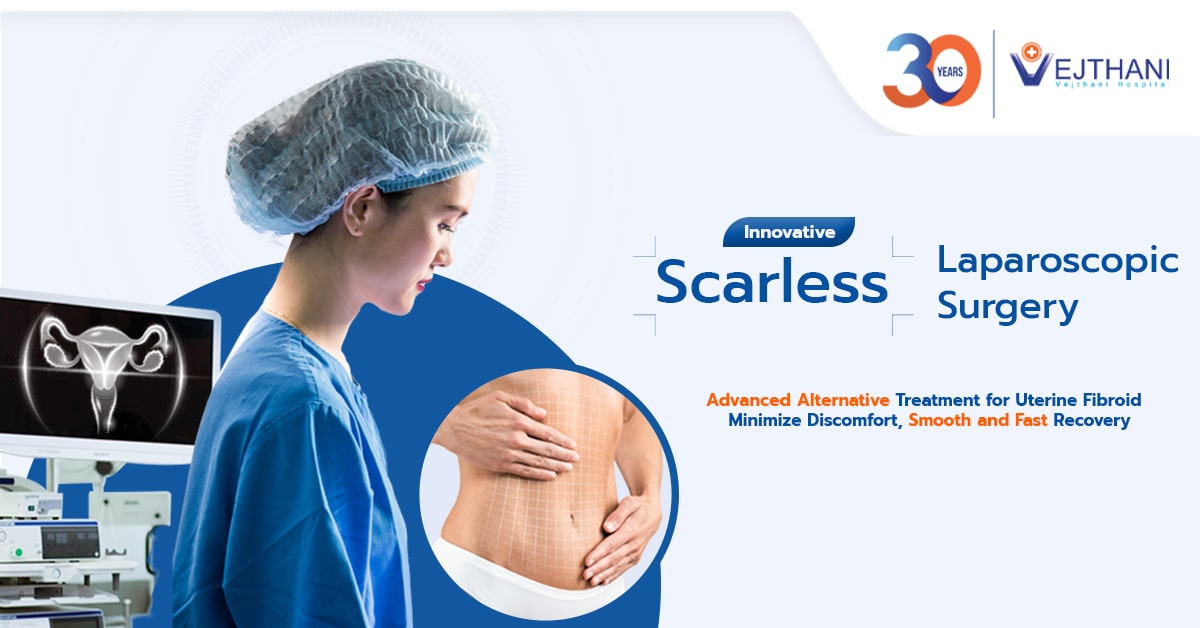
Health ArticlesHealth VideosNews and UpdatesSummer’s Silent Killer: Your Essential Guide to Preventing and Defeating HeatstrokeGroundbreaking Approach to Treat Cerebral Aneurysm: Biplane DSA and the Future of NeurointerventionScarless Laparoscopic Surgery: Advanced Treatment for Uterine FibroidTotal Knee Replacement with Technological Breakthrough – Rosa Robotic-Assisted Surgery








- About Us
Fact SheetOverseas Offices & RepresentativesAccreditations and AwardsPatient StoriesSpinal fusion experience from Bangladeshi patientMyanmar Actress Patricia’s Intraocular Lens Surgery Experience at Vejthani HospitalLigament ReconstructionA comprehensive kid’s checkup at Vejthani Hospital’s Super Kid’s Center
- Patient Services
- Medical Departments & Centers
- Packages & Programs
- Health Information
Health ArticlesHealth VideosNews and UpdatesSummer’s Silent Killer: Your Essential Guide to Preventing and Defeating HeatstrokeGroundbreaking Approach to Treat Cerebral Aneurysm: Biplane DSA and the Future of NeurointerventionScarless Laparoscopic Surgery: Advanced Treatment for Uterine FibroidTotal Knee Replacement with Technological Breakthrough – Rosa Robotic-Assisted Surgery
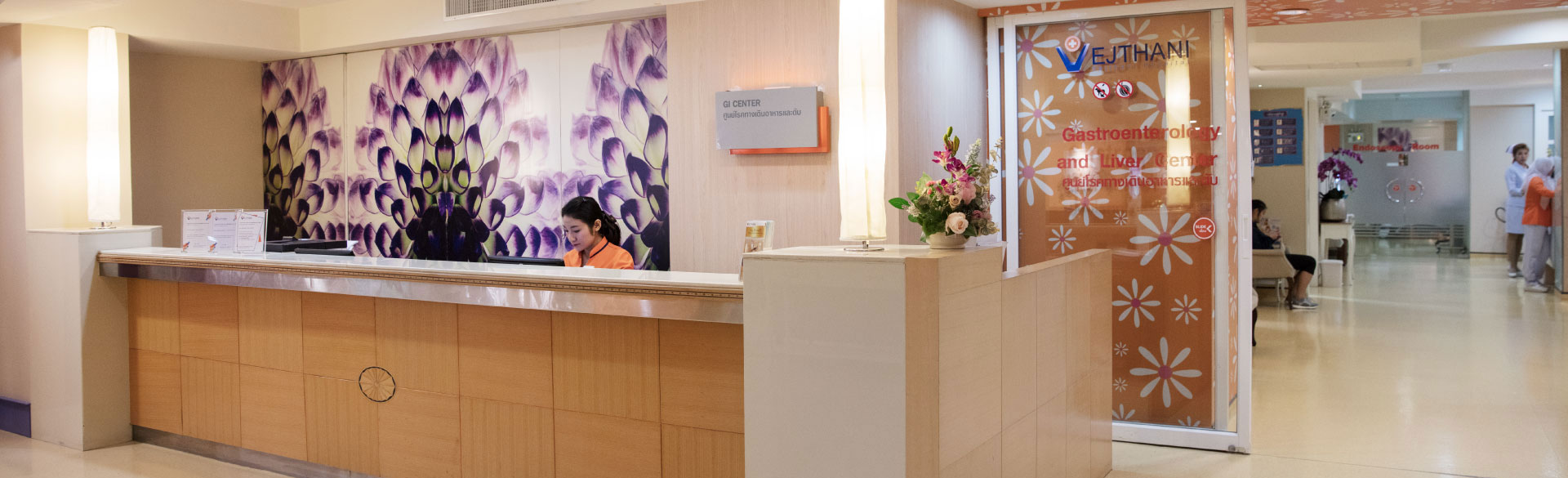
Gastroenterology and Hepatology Center
GASTROENTEROLOGY AND HEPATOLOGY CENTER
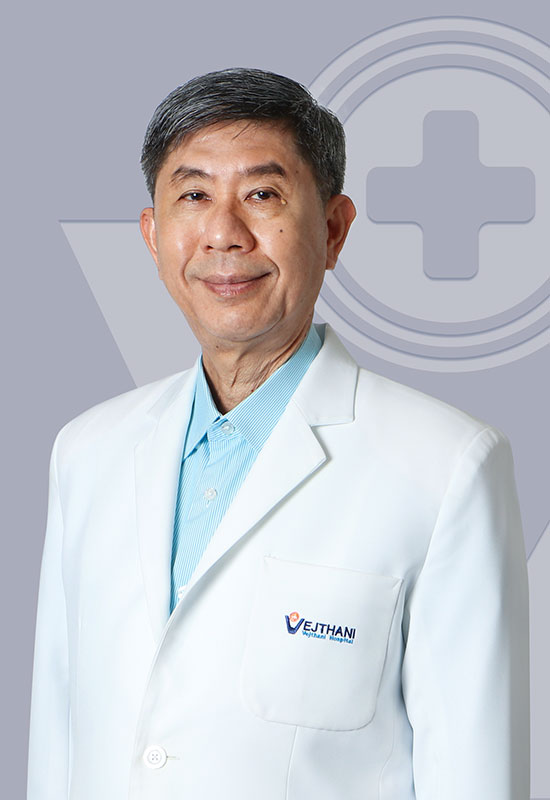
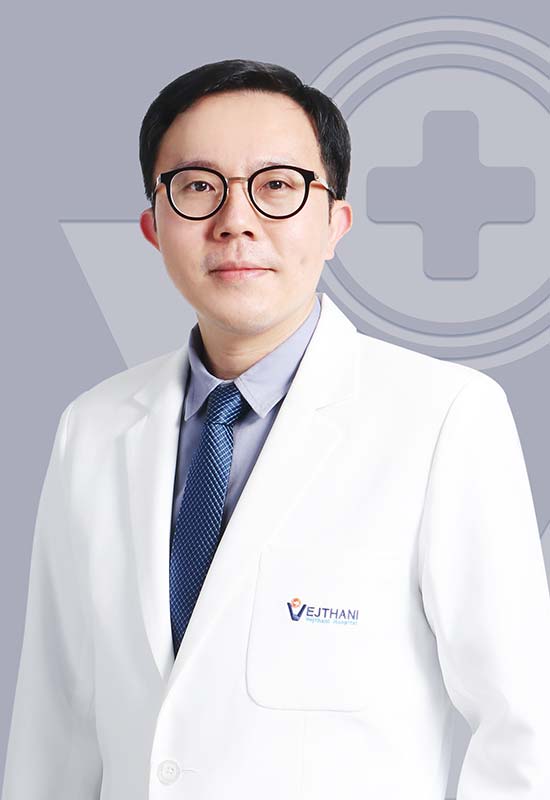
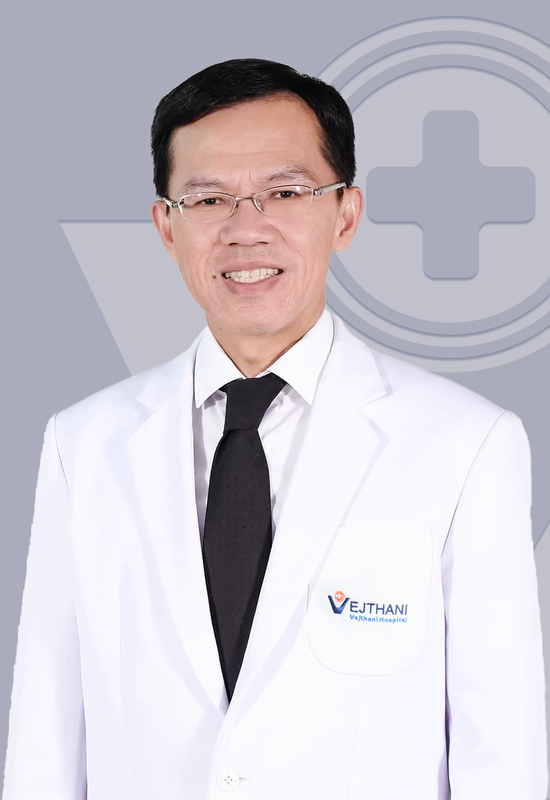
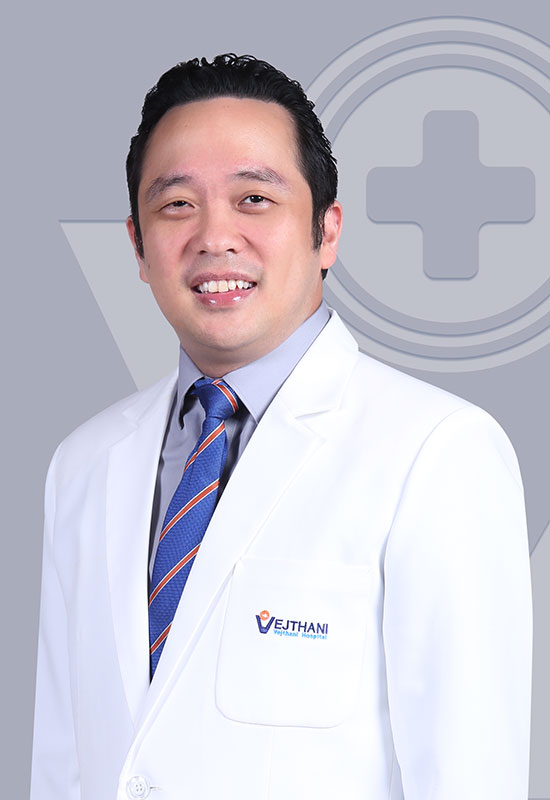
Gastroenterology and Hepatology Center offers a comprehensive approach for the diagnosis and treatment of diseases of the digestive system’s organs such as the esophagus, stomach, large intestine, small intestine, gallbladder, pancreas and liver. Our staff perform more than 2,000 endoscopic surgeries annually. The team consists of specialists and allied health personnel with dedicated training and unique experience in the management of the gastrointestinal tract and liver.
SERVICE HOURS
Monday - Sunday : 08.00 am – 05.00 pm
LOCATION
Vejthani Hospital, Gastroenterology and Hepatology Center, 2nd floor
APPOINTMENTS & INQUIRIES
Phone : (+66) 734-0000 Ext. 2960, 2961, 2966
Fax : (02) 734 – 0044
Services
We offer a wide range of treatments as listed below :
1) Consultation for the digestive system liver problems or diseases
2) Diagnosis with cutting-edge equipment and technologies as follows;
- Ultrasonography
- Computerised Tomography (CT Scan)
- GI Endoscopy
- Ultrasonography
- Gastroscopy
- Colonoscopy
- Sigmoidoscopy
- Polypectomy
- Endoscopic Variceal Treatment (EVS,EVL)
- Treatment for Gastrointestinal Hemorrhage
- Percutaneous Endoscopic Gatrostomy (PEG)
- Endoscopic Retrograde
- Therapeutic ERCP
- Intragastric Balloon Procedure
- Intragastric Adjustable Balloon
- Gastric Balloon Removal
3) Laparoscopic Surgery
4) Gastrointestinal Wireless Capsule Endoscopy
5) Digestive Health Consultations and vaccinations
Facilities
- Ultrasonography
- Computerised Tomography (Spiral CT Scan)
- GI Endoscopy
- Gastroscopy
- Colonoscopy
- Sigmoidoscopy
- ERCP (Endoscopic Retrograde Cholangiopancreatography)
- Complete Imaging Services including Ultrasound, Upper GI and Barium Enema
- Gastric Balloon